Sometimes what is happening inside your body cannot be seen or felt. That is where medical imaging makes all the difference. By creating clear pictures of your bones, muscles, and organs, imaging gives doctors the information they need to understand your condition and guide your next steps. It turns uncertainty into clarity.
What is medical imaging?
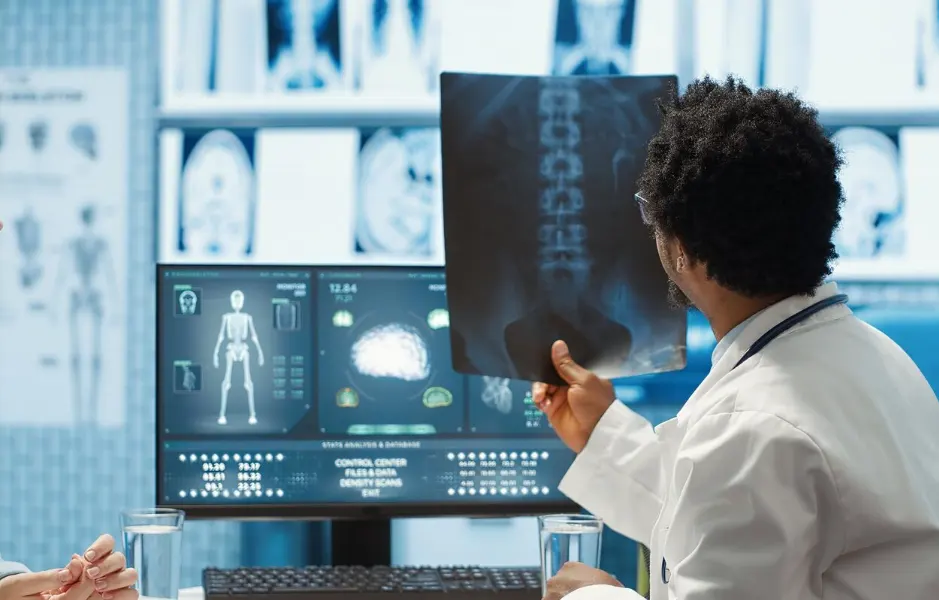
Medical imaging refers to the use of safe, modern equipment to take detailed pictures of the inside of your body. These images help healthcare professionals detect, diagnose, and monitor a wide range of health conditions.
Common examples of medical imaging include:
- X-rays: Useful for identifying fractures, lung infections, or dental issues.
- Ultrasound: Ideal for soft tissue concerns, pregnancy scans, or abdominal conditions.
- CT scans and MRI: Providing detailed cross-sectional images of organs, joints, or the brain.
Each type of imaging serves a unique purpose, but together they share the same goal: to provide answers that guide your care.
When should I consider medical imaging?
You might be asked to have a scan or X-ray when symptoms suggest something is happening beneath the surface. Some common reasons include:
- Persistent pain in bones, joints, or muscles
- Suspected fractures or injuries
- Ongoing headaches, dizziness, or neurological concerns
- Chest discomfort or difficulty breathing
- Monitoring an existing condition to see if it has changed
Imaging helps uncover the hidden causes behind symptoms so that the right decisions can be made about treatment.
How does the process work?
The process of medical imaging is designed to be straightforward and safe. Here is what you can expect:
- Referral: Your doctor will recommend the specific type of imaging required.
- Preparation: Depending on the test, you may be asked to avoid food or remove jewellery and metal objects.
- Imaging session: A radiographer or trained professional will help position you and capture the images. The procedure is usually quick and painless.
- Analysis: The images are carefully reviewed and interpreted.
- Follow-up: Your doctor discusses the results with you and explains what they mean for your health.
From start to finish, the aim is to provide accurate information in the most efficient way possible.
Why is medical imaging valuable to me?
Medical imaging gives you and your doctor a clearer picture of what is happening inside your body. Instead of guessing, you receive evidence that supports the best possible decision for your health.
Benefits include:
- Clarity: Detailed images that reveal what cannot be seen otherwise
- Guidance: Reliable information to decide on treatment or further testing
- Monitoring: The ability to track changes in your condition over time
- Prevention: Detecting issues early before they become more serious
These benefits help you move forward with confidence, knowing you have the information you need.
How does medical imaging improve healthcare in Zimbabwe?
Access to quality imaging has often been a challenge in Zimbabwe. Long travel times, limited equipment, and delays in getting results have all created barriers. By making imaging more accessible, QuestOneMedix is helping communities take charge of their health in new ways.
What’s next?
If you have been experiencing ongoing symptoms, are recovering from an injury, or simply want clarity about your health, medical imaging can provide the answers you need.
Book an appointment with QuestOneMedix and take an important step toward understanding your health better.